Key Takeaways
- Safety Is Paramount – A property can look beautiful on the outside but still be unsafe to live in. Tenants prioritize real, measurable safety, like working smoke detectors, solid structures, and safe electrical systems, over aesthetic features. Ignoring these essentials can lead to legal trouble, loss of tenants, or even your rental being declared uninhabitable.
- Regular Inspections and Upkeep Are Crucial – Ensuring your rental meets safety standards means regularly checking critical systems like structural integrity, fire protection, electrical wiring, plumbing, and HVAC. Issues like mold, faulty wiring, or unstable stairs must be addressed promptly to avoid health hazards and liabilities.
- Know and Follow Local Safety Codes – Safety standards vary by city, county, and state, and may also be influenced by fire departments, insurance policies, and international codes. As a landlord, it’s your responsibility to learn and comply with all applicable regulations to protect your tenants, and your investment.
When renting out a home you need to ensure that it meets all health, safety, and building codes. Doing so isn’t just good for your rental business, it’s a legal requirement under the warranty of habitability. But how can you, as a landlord, ensure that you rental properties adhere to all safety standards& In this article, we at Astoria Charm will walk you through everything you should know!
Get in Touch with Our Experts!
Steps to Take When Ensuring Property Safety
Here are some steps landlords should take to keep their rental in line with safety standards:
Ensure Structural Safety
Preserving the structural safety of your rental property is of paramount importance. The structural integrity of your property determines its overall safety and long-term value.
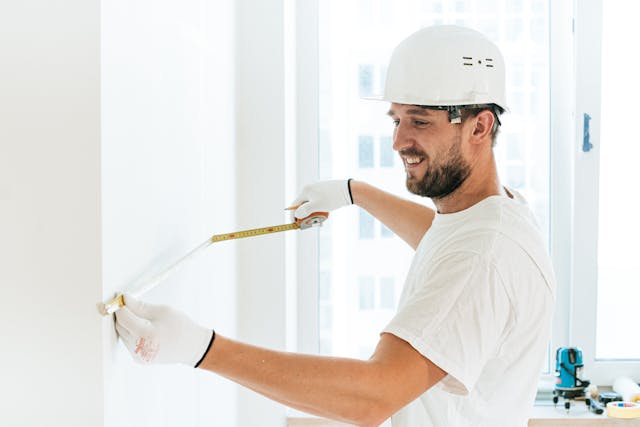
As such, make sure to inspect the following areas:
- Doors and Windows – Do the doors and windows have difficulty aligning properly? This could be a sign of foundation issues.
- Ceilings and Floors – Are there visible cracks in walls, sagging areas, or soft spots? These can be signs of more serious issues and should be address promptly.
- Roofing – Do you notice missing shingles, leaks, or water intrusion? Addressing this problems early can prevent them from escalating into more serious, costly headaches.
- Stairs and Rails – Are the steps uneven in depths and heights or are railings wobbly? Make sure all stairs, rails, and pathways and sturdy, level and free from tripping hazards.
Swift action and regular property inspections will help you preserve the structural integrity of your rental property. You should also encourage your tenants to report any issues so they don’t worsen over time.
Check Carbon Monoxide and Smoke Detectors
According to safety standards every bedroom and floor, including the basement, should have a smoke detector. Depending on the local code, they may be battery-powered or wired.
If the rental has a fireplace, gas appliances, or an attached garage, carbon monoxide detectors should be installed on every level. Landlords must also ensure test and replace the batteries at least once a year.
Comply with Local Fire Safety Protocols
Even with working fire alarms, landlords must take additional action to ensure their home complies with fire safety standards.
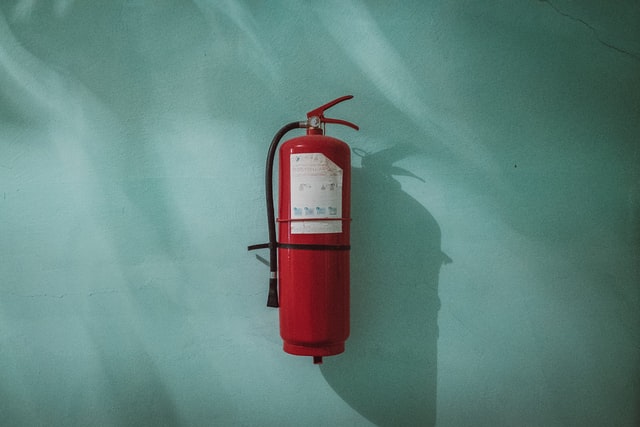
Your rental property should be equipped with the following:
- Fire extinguishers in every unit and on strategic locations.
- Functional ladders or fire escapes for multi-unit buildings.
- Multiple exits including windows.
- Stairways and pathways that are free of clutters.
You also want to instruct tenants on the best way to exit the building and what to do in case of emergency. Furthermore, inform them on how to store cleaning product and flammable chemicals safely.
Get in Touch with Our Experts!
Inspect the Home’s Electrical Systems
Among the major causes of fire outbreaks are electrical problems. With this in mind, landlords should:
- Install GFCI outlets in bathrooms, kitchens, and close to all sources of water.
- Repair all loose outlets or exposed wires.
- Avoid having overloaded outlet splitters or extension cords.
- Install functional circuit breakers and clearly label them.
Hire an electrician to conduct a full inspection of the rental property, especially if it’s an older home. This will ensure everything is up to code and protect you and your tenants.
Ensure the Water and Plumbing are in Safe, Working Order
Water and plumbing issues can be quite hazardous. As a landlord, we want to ensure that:
- Molds and mildews do not grow on the property as they can cause health issues.
- There are no hidden leaks in basements, behind toilets, or under sinks.
- The units have functional toilets, faucets, and showers as well as good drainage.
- Water heaters are set to safe temperatures.
- The water pressure is stable and not too low or too high.
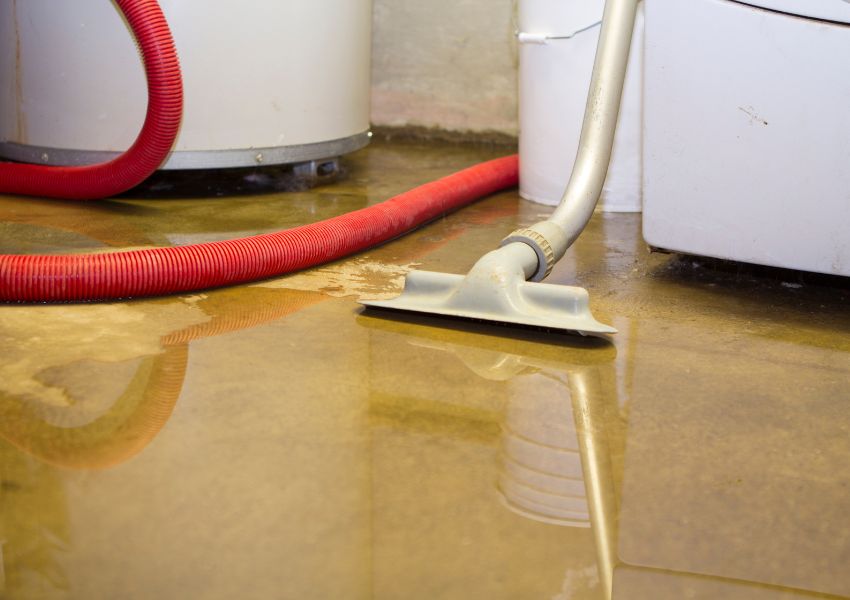
Signs of water damage include leaks, stains on walls or ceiling, wrapped walls or flooring, musty smells, or visible growths of mold and mildew. Always be on the look out for these issues and take immediate action to address maintenance requests.
Check Heating, Cooling, and Ventilation Systems
To ensure tenants are safe and comfortable all year round, you need to ensure that your homes heating, cooling and ventilations systems are in working order. To protect your home and tenants ensure that:
- You do not have signs of back-drafting or gas smell.
- There isn’t any dust building up.
- Vents aren’t being blocks.
- Adequate ventilation is present in all kitchens and bathrooms to prevent moisture retention.
- You schedule regular HVAC system maintenance.
Bottom Line
Ensuring rental safety is of the utmost importance. As a landlord, if you follow the tips above you can keep tenants safe and happy. Preventive steps like inspections and proper tenant communication can result in fewer repairs and reduced maintenance costs over time.
To properly protect your investment, turn to a reliable property management company like Astoria Charm. Our experts can help with everything from property inspections and maintenance, to rent collection and tenant screening. Contact us today to learn about the benefits of our professional property management services!