If you’re a landlord, property maintenance should be one of your primary concerns. Tenants expect a safe, clean, and functional living environment. As such, when renting out a home, you need to ensure that your property is well-maintained and draws prospective tenants in.
Neglecting small maintenance issues can also result in costly repairs when the problems worsen over time. This could impact the property’s overall value and your return on investment.
Ultimately, proper maintenance is essential to ensure a steady income, long-term tenant satisfaction, and the profitability of your investment. In this article, we’ll go over the best tips to effectively maintain a rental property.
Conduct Regular Inspections
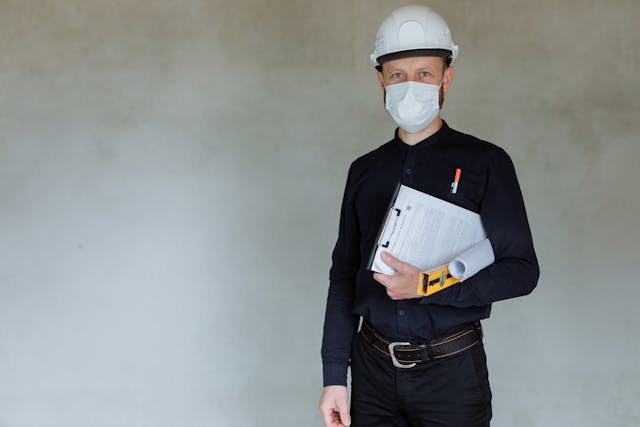
Frequent inspections are key to keeping a property in good condition. Inspecting your rental will allow you to identify and address minor issues before they escalate into costly repairs. It’ll also help you ensure that tenants are taking good care of your property.
Create a Seasonal Maintenance Schedule
Establishing a maintenance schedule ensures that all necessary tasks are completed in a timely manner. Additionally, conducting seasonal inspections is a great way to prevent damage related to weather changes. Here’s an example of what seasonal maintenance should be carried out:
- Spring – Check for water damage and clean gutters.
- Summer – Service air conditioning units.
- Fall – Inspect the roof, seal windows, and clean gutters.
- Winter – Ensure pipes are insulated and check the heating system.
This proactive approach prevents seasonal issues and ensures the property is always in good shape.
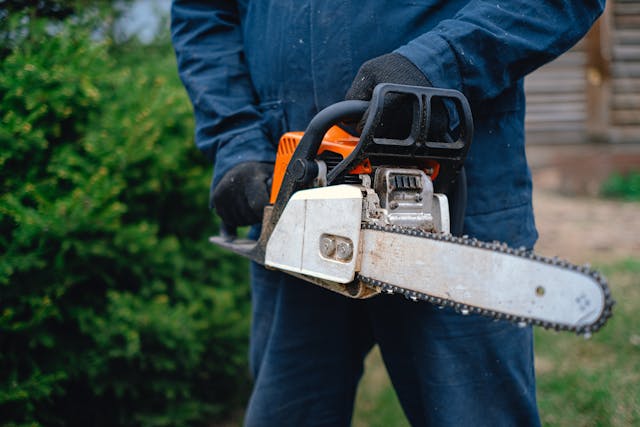
Perform Preventive Maintenance on Major Systems
Taking a proactive approach to property maintenance can save you a lot of headaches in the future. For instance, preventive maintenance on water heaters, HVAC systems, and plumbing reduces the risk of expensive breakdowns.
You’ll ensure that everything is functioning efficiently by scheduling professional inspections annually, doing regular upkeep, and deep cleaning the unit and its home systems. Even something as simple as changing the air filters in your HVAC systems every three months can improve the air quality and prolong the unit’s lifespan.
Address Repairs Immediately
Ignoring small issues, like a dripping faucet or a cracked tile, can lead to more extensive damage over time. Promptly addressing repairs saves money and reassures tenants that their concerns and comfort are valued. By building a network of reliable contractors to handle repairs quickly and professionally, you’ll be able to ensure that your property is in good condition all year round.
Clean the Property Regularly
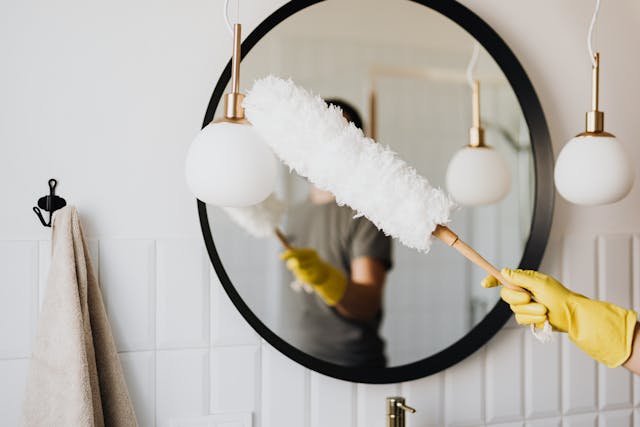
A clean property is less likely to develop issues like mold, pests, or signs of wear and tear. If you own a single-family property or one rental unit in a bigger building, you must communicate with tenants to ensure they keep their living space clean and tidy. If you own a multi-family home, you must ensure communal areas are cleaned regularly and encourage tenants to keep their spaces clean.
Landscape Regularly
Well-maintained landscaping enhances the curb appeal of your home. Additionally, it helps prevent potential issues, such as overgrown trees damaging roofs or roots affecting the home’s plumbing and foundation. If tenants handle yard maintenance, provide clear guidelines in the lease agreement to ensure consistency.
Inspect for Pest Infestations
Pest infestations cannot only damage your residential rental property but also drive tenants away. That’s why it’s crucial to schedule regular inspections throughout the year. Additionally, it’s good to keep an eye out for signs like droppings, chewed wires, or pest entry points. Taking a preventive approach can save money in the long run.
Invest in Durable Materials
Maintaining your rental property is an ongoing investment. Whether you’re renovating or doing repairs, it pays to invest in high-quality materials. When replacing flooring, countertops, or fixtures, choose durable materials designed to withstand regular use. Durable materials lower long-term maintenance costs and keep the property looking newer for longer.
Keep a Maintenance Log
You should keep a detailed log of all maintenance tasks, inspections, and repairs. This documentation will help you track recurring issues, plan for future maintenance, and ensure compliance with local regulations. A maintenance log is also useful when selling the property, as it demonstrates that it has been well cared for. It can also come in handy in case of disputes or when making deductions to tenants’ security deposits.
Educate Tenants About Maintenance Responsibilities
Property maintenance is a shared responsibility between landlords and tenants. To ensure tenants take good care of your property, you must provide them with clear instructions on their responsibilities, such as changing light bulbs, cleaning filters, or reporting issues promptly. A tenant manual can be a great way to outline these expectations. You must also include information regarding maintenance in the lease agreement.
Partner with a Property Manager
Property maintenance is a time-consuming task. Plus, it’s not the only responsibility you’ll have. If managing maintenance becomes overwhelming, you should consider hiring a property manager. A company like Astoria Charm can handle all property upkeep tasks for you, including inspections, repairs, and tenant communication, ensuring your real estate investment stays in excellent condition year-round. This will help you streamline operations and give you peace of mind.
Bottom Line
Effectively maintaining a rental property requires consistent effort, organization, and proactive planning. By implementing the tips outlined above, you can ensure your property remains in excellent condition throughout the year, fostering tenant satisfaction and protecting their investment. Regular maintenance not only reduces costly repairs but also creates a positive living experience, encouraging long-term tenancy and higher profitability.
If you’re looking for a trusted property management company to help you streamline your maintenance tasks and take over the day-to-day operations, contact Astoria Charm today!