Key Takeaways
- Vacancy rate measures how much rental income you lose when units sit empty. Track it consistently and compare performance across similar properties.
- Turnover costs include lost rent, labor, materials, and vendor fees. Monitoring these expenses helps identify inefficient turns and underperforming properties.
- Days to lease measures the time from move-out to a signed lease. Tracking it alongside turnover time helps identify leasing and operational bottlenecks.
- Consistent KPI reporting gives owners the information they need to make better pricing, capital allocation, and property management decisions.
If you’re managing rental property in Baltimore, you’re running a business. The difference between a portfolio that generates steady cash flow and one that loses money through extended vacancies and expensive turns often comes down to which numbers you’re watching and how quickly you respond.
Rental KPIs, or key performance indicators, are the data points that show whether your properties are performing or underperforming. We at Astoria Charm will help you understand how to calculate them and what they reveal can improve decisions about pricing, tenant selection, capital allocation, and property management.
Vacancy Rates
Your vacancy rate is the percentage of time a rental unit sits empty and generates no rental revenue. The calculation is:
(Vacant days ÷ total days in the period) × 100
For example, a property that sits empty for 30 days during a 365-day year has a vacancy rate of approximately 8.2 percent. The lost rent is only part of the expense. Mortgage payments, property taxes, insurance, utilities, and maintenance continue regardless of occupancy.
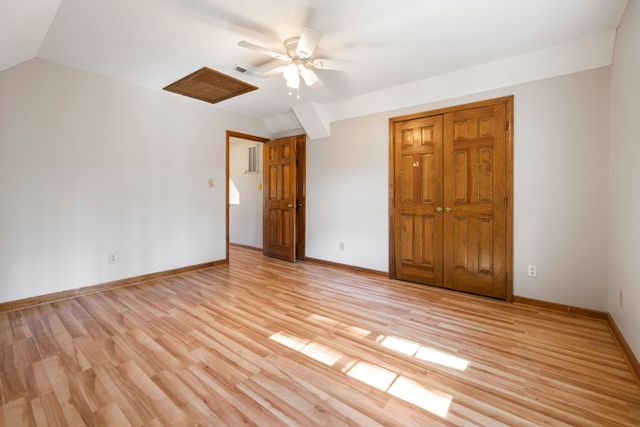
Track vacancy consistently, ideally at the property and portfolio levels. Monthly reporting helps you identify whether a unit is vacant because of pricing, condition, marketing, tenant screening, or a slow leasing process. Compare similar properties in your Baltimore neighborhood and review your own historical performance to determine whether a vacancy problem is isolated or part of a larger operational issue.
Early intervention gives you more opportunities to adjust the marketing strategy, address property issues, or evaluate the asking rent before additional income is lost.
Turnover Costs
Turnover cost is the total expense of preparing a unit for its next tenant. It includes lost rent during the turn, labor, materials, cleaning, inspections, and vendor fees. A useful calculation is:
(Lost rent during turn + labor + materials + vendor fees) ÷ monthly rent
Tracking turnover costs by property helps you identify recurring expenses and determine whether a unit needs preventative maintenance, better vendor coordination, or a different capital plan. A turn that takes three weeks generally creates more lost income than one completed in ten days, assuming the same rent and expenses.
Compare the cost of repairing and re-leasing a unit with the cost of a larger renovation or a change in the property’s investment strategy. Consistent reporting helps you make that decision using actual performance rather than assumptions.
Days to Lease
Days to lease measures how long it takes to move a unit from vacancy to a signed lease. To calculate it, count the calendar days from the previous tenant’s move-out to the date the new lease is signed. Use the same starting and ending points for every property so your comparisons remain meaningful.

A slow lease-up may indicate that the rent is too high, the property is not market-ready, the marketing is ineffective, or the showing process is creating unnecessary delays. A well-priced and properly prepared unit should attract qualified interest, but the right benchmark depends on property type, condition, location, and local demand.
Track days to lease for every turnover. Over time, you can identify which properties consistently lease faster and which ones require more attention.
Turnover Time
Turnover time is different from days to lease. It measures how long it takes to physically prepare a unit between tenants, from the move-out inspection to the date it is rent-ready and available for showings.
The process may include inspections, repairs, cleaning, safety work, and required compliance tasks. In Baltimore, older housing stock can require additional attention to lead paint and other property-related requirements.
Turnover time depends on three things: your ability to diagnose what needs to be done, your vendor relationships, and your available capital. Established vendor networks and adequate reserves can help owners coordinate work without unnecessary delays.
If a unit takes too long to become rent-ready, the problem is operational. If it is ready for showings but remains vacant, the issue may be pricing, marketing, or leasing.
Maintenance Response Time
In Baltimore, where older rental properties may require more frequent repairs, timely communication and reliable vendor coordination are important parts of protecting your investment.

Measure the time from request submission to the first response, rather than the time until the repair is completed. Set service standards based on the type of request. Track response time by category, such as emergency, urgent, and routine. If your team consistently misses its service standards, investigate whether the problem is insufficient coverage, poor communication, or a system that fails to route requests correctly.
Rent Collection Velocity
Rent collection velocity measures how quickly rent arrives after it is due. Track the percentage of rent collected by the 5th, 10th, and 15th of the month, or choose other reporting dates that fit your management process.
Late rent can create a cash-flow squeeze that affects mortgage payments, maintenance, and other operating expenses. Automated payment reminders, online resident portals, and clear lease provisions can support more consistent collections.
Use collection velocity alongside delinquency reports and accounts receivable to understand whether payment delays are isolated or affecting the broader portfolio.
Bottom Line
Rental KPIs help investors understand portfolio performance and make informed decisions about pricing, vendor relationships, capital allocation, and property management.
Astoria Charm builds monthly owner statements and custom cash flow reports, supported by 24/7 maintenance response, an established vendor network, consistent tenant screening, and in-person leasing showings to help owners manage their properties effectively. Contact us today to learn more about our services!
Frequently Asked Questions
What Is a Good Vacancy Rate for Rental Properties?
A vacancy rate under 5 percent is healthy in most markets, including Baltimore. If your portfolio is running 6 to 8 percent, you’re slightly above market but not in crisis. Above 10 percent signals a pricing, condition, or leasing-process problem that needs immediate attention. Track it weekly, not monthly, so you catch the problem early.
How Do I Calculate Turnover Cost?
Add together the lost rent during the turn period, labor costs, materials, and vendor fees, then divide by your monthly rent. Track this for every unit that turns so you can see whether your turns are getting faster or slower and whether your turn costs are rising. Over time, you’ll identify which properties are expensive to turn and which are efficient.
What Maintenance Response Time Should I Expect?
For emergencies like no heat or water, aim for under two hours. For urgent issues like appliance failure or roof leaks, under 24 hours. For routine maintenance, under one week. Baltimore’s older housing stock means more emergency calls in winter, so a 24/7 response capability is valuable. Track your actual response times monthly and compare them against these benchmarks. Slow response times correlate with lower lease renewal rates.
How Does Days to Lease Affect My Return on Investment?
Days to lease directly reduces your gross rent collected. Track days to lease by neighborhood and by season so you can adjust pricing or marketing strategy when a unit is taking longer than historical average.
Why Should I Track Rent Collection Velocity If I Eventually Collect Everything?
Rent collection velocity affects your cash flow timing, not just collection rate. A portfolio that collects 85 percent of rent by the 5th of the month has cash on hand to pay the mortgage and fund maintenance immediately. Automated payment reminders through a resident portal typically improve collection velocity by two to three days, which compounds into meaningful cash-flow benefit across multiple units.