Key Takeaways
- Rental pricing is driven by local factors such as supply, demand, and neighborhood conditions—not just national trends
- Population shifts and employment growth directly influence rental demand and pricing fluctuations
- Housing supply, new developments, and infrastructure projects can raise or stabilize rental prices
- Understanding local market trends helps landlords set competitive prices and maximize returns
Rental pricing is not a static or linear process. It dips, rises, stabilizes, and sometimes soldiers unexpectedly. These fluctuations are not due to a single factor but a combination of local determinants that continuously reshape the housing landscape. Landlords, tenants, and investors need to understand market trends.
That is because it is less about theory and more about success in the evolving and competitive real estate environment. National economic indicators usually dominate the news. However, the ultimate determinants of rental prices are at the local level. It is common to observe that two neighborhoods in the same city may have significant variations in their stories.
While one may be struggling with vacancies, the other may be experiencing rapid growth. This significant difference shows a major truth: rental pricing depends on local factors determined by forces operating within specific social and geographic contexts.
In this article, Astoria Charm will explore the impacts of local market trends on rental pricing. This will include a detailed and unique perspective on processes that determine changes and what it means for stakeholders.
Rental Pricing as a Local Equation
At the foundational level, rental pricing mirrors a balance between demand and supply. However, this balance is not uniform across regions, and it is not static. Variability is introduced by local market trends.
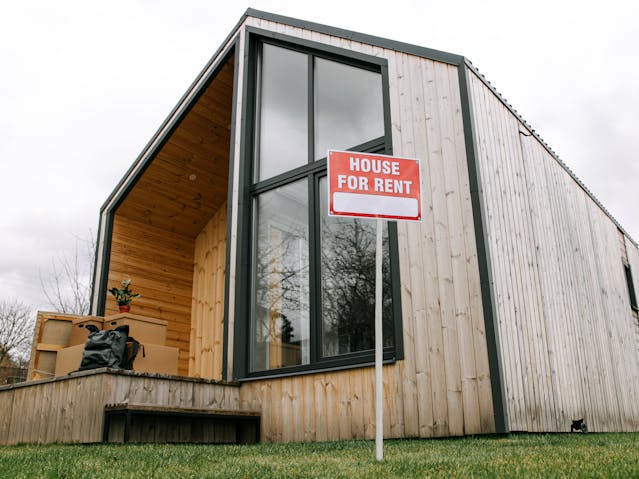
This creates a dynamic equation that is determined by behavioral patterns, infrastructure, population shifts, and economic activity. Unlike commodities that have standardized pricing, rental properties are unique. Each property in a specific location is surrounded by special economic conditions, demographics, and amenities.
As a result, rental pricing is determined by localized negotiation between what a landlord is willing to accept and what tenants are willing to pay. The first step towards accurate interpretation of rental trends is understanding this localized equation.
Impacts of Local Market Trends on Rental Prices
1. Population Movements and Demand Shifts
Population movement is one of the most powerful drivers of rental pricing. Demand for housing increases when large numbers of people move into a particular area. If there is no increase in supply to match the pace of demand, rental prices will rise. Several factors trigger population movements. Some common ones include:
- Lifestyle preferences such as proximity to urban amenities or nature
- Migration from high-cost urban areas to more affordable suburban or rural areas
- Employment opportunities in emerging Industries
On the other hand, demand can reduce due to population stagnation or decline. This will result in increased vacancy rates or lower rental prices. It is important to note that population trends are not uniform. Even when an area may be experiencing overall growth, some neighborhoods can be undergoing decline. This will create micro markets with unique pricing patterns.
2. Employment Hubs and Economic Activity
Local economies perform crucial roles in shaping rental markets. Workers are attracted to areas that have strong employment opportunities. This will cause an increase in demand for rental housing. The establishment of new businesses or the expansion of existing industries can have an immediate impact on rental pricing.
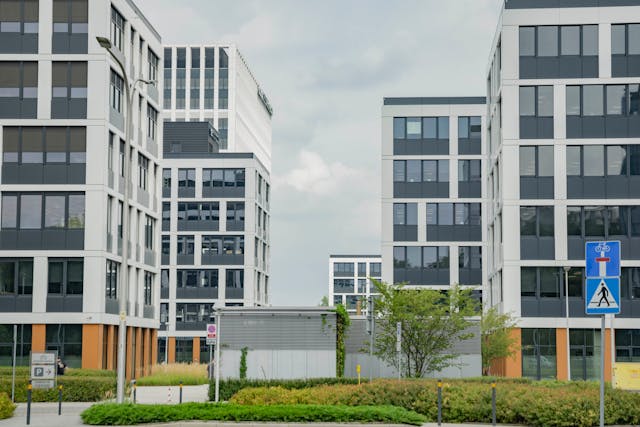
Workers who relocate to the Baltimore area will require housing, especially those with proximity to their workplaces. An upward pressure on rent will be exerted by this increase in demand. Conversely, economic downturns will have an opposite impact. The ability of tenants to pay will be reduced by job losses.
This will cause a decrease in demand and downward pressure on rental pricing. The relationship between rental pricing and employment shows the crucial nature of monitoring local economic indicators during market trend assessments.
3. Development Patterns and Housing Supply
Demand is counterbalanced by supply. The extent of choices that renters have and the pricing power that landlords can exercise is determined by the availability of rental units. Markets with limited new construction will experience significant rent increases even with a minor increase in demand. Other factors that contribute to restricted supply include:
- High construction costs
- Regulatory policies
- Land constraints.
On the other hand, an influx of new units will be observed in areas experiencing rapid development. Rental prices can be stabilized or even reduced with this increased supply, especially if it overwhelms demand. It is essential to understand that not all supplies have equal impact on the market.
For instance, luxury development will not reduce rental pricing pressure on affordable housing neighborhoods like Towson. This difference can lead to an increase in rent for lower- and middle-income tenants even when there is an overall surge in housing inventory.
4. Infrastructure and Accessibility
The transformative force in the local market is infrastructure development. Improvements in public services, Utilities, and transportation can significantly enhance a location’s attractiveness. For instance, accessibility can be increased and commute times reduced following the introduction of a new transit line.

This will lead to an increase in demand and higher rental prices for properties that are near such developments. Also, a location’s desirability is supported by the presence of retail centers, healthcare facilities, and quality schools. Potential renters are willing to pay a premium for access to essential services and convenience.
Future growth is signalled by infrastructure projects. This will attract investors and residents. Even before the full impact of the development is realized, the anticipation can cause upward pressure on rental prices.
5. Neighborhood Transformation and Gentrification
Neighborhoods do not remain the same forever. Over time, they may experience significant evolution due to cultural shifts, demographic changes, and investment. One of the most visible forms of such transformation is gentrification.
The demand for housing increases as high-income residents, improved infrastructure, and new businesses move into an area. Although this process will attract investments and promote property values, it also raises the issue of displacement and affordability.
Long-term residents who historically occupied a neighborhood may be priced out of the area. Recognizing early signs of neighborhood transformation will present opportunities for landlords and investors. Because of broader social implications, sensitivity is required during this process.
Bottom Line
A single factor does not determine rental pricing. Instead, it is a complex combination of local market trends. The evolving rental market landscape depends on an interplay of behavioral dynamics, infrastructure, housing supply, economic activities, and population movements. The ability of landlords and investors to interpret these trends and adapt accordingly will determine success. However, partnering with a professional property management team like Astoria Charm can provide valuable market insight and strategic pricing support.