Key Takeaways
- Allowing Tenants to Paint Can Boost Satisfaction and Retention – Granting tenants the freedom to paint can make them feel more at home, increase their satisfaction, and encourage longer stays. This flexibility may even give your property a competitive edge in the rental market, as tenants are often drawn to landlords who accommodate personalization.
- There Are Risks to Creative Freedom – While a fresh coat of paint can enhance your property, it can also go very wrong. Poor-quality paint jobs, bold or unusual color choices, and unprofessional application may lead to expensive repairs, reduced appeal for future tenants, and potential conflicts over security deposit deductions.
- Set Clear Guidelines in Writing – To protect your property and keep things fair, establish a clear painting policy in your lease. Require written approval, offer pre-approved color options, or propose a compromise, like allowing tenant-selected colors to be professionally applied for a fee. Transparency helps prevent misunderstandings and legal disputes.
You may be wondering whether or not to allow tenants to paint their rental properties. To newer landlords, this may sound simple and harmless. However, there are a number of risks associated with allowing tenants to paints the unit themselves if there aren’t ground rules in place.

Thankfully, we at Astoria Charm will explain everything you need to know so that you can make the appropriate decision for your rental property!
Get in Touch with Our Experts!
The Pros of Allowing Tenants to Paint the Property
There are some benefits of letting renters paint. These include:
You’ll be Seen as More Flexible
The rental market is quite competitive and potential tenants are always looking for the best deals. Being flexible can set you apart from others landlords in the area and make your Baltimore property appeal to a wider range of renters. Flexibility can also build trust with your current tenants. By showing that you’re willing to work with them towards mutually beneficial outcomes you can strengthen your professional relationship.
Tenants Will Be Encouraged to Stay Longer
When tenants paint the property, it feels more like home, giving them a sense of belonging which can result in long-term tenancies. What’s more, when the space feels more personalized to their preferences, tenants are more likely to take better care of it.
This benefits you as the landlord because the longer your tenant stays, the fewer the vacancies and turnovers on your property. This translates to steady rental income.
The Property Can Look Refreshed
When the right guidelines in place, allowing tenants to paint their units can actually result in refreshed appearance.
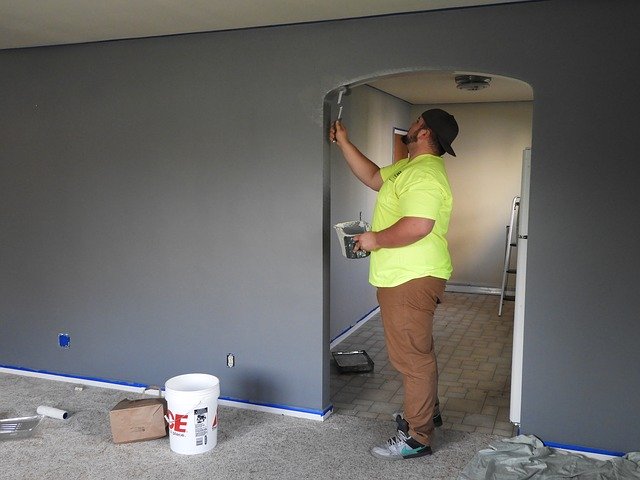
If they pick aesthetically pleasing colours and have the paint job executed with precision and care, it can enhance the property’s appeal even after their move out.
Cons of Letting Tenants Paint the Property
There are some drawbacks to allowing tenant paint their units, include:
Tenants May Not Follow Instructions
To protect yourself and your property, it’s best to establish guidelines and include them in your lease agreement. Require tenants to get approval on colours before hand and/or provide them with a predetermined list of colours. You can also insist that hire a professional to paint the property and have it restored to its original state upon moving out.
Even with these rules in place, there’s a risk that tenants won’t follow them. As such, make sure all agreements are in writing should you need to pursue legal action.
Loss of Quality Control
Of course not everyone can paint like an expert. As such, there’s the risk of splattered paint on the trim and floors, uneven paint coats, drip marks, and improper preparation. Fixing these issues can be quite costly and can cause delays in re-renting the property to future tenants.
It’s best to set rules in place if you allow tenants to paint their rentals. If they don’t follow those rules, you can use their security deposit to cover repairs.
Difficulty is Marketing the Property in Future
It could be difficult to market the property in future if previous tenants painted it with odd colors.

As such, there may be delays in the rental process, as well as costs associated with repainting the unit. A clause in the lease, requiring tenants to restore the unit to its original state before they move out can mitigate this risk.
Deposit and Legal Disputes
Some landlords deduct money from tenants’ security deposits to fix poor paint jobs. This can, however, lead to legal disputes. As such, make sure all painting and security deposit policies are clearly listed in the lease agreement.
You should also keep records of any communication you’ve had with tenants regarding the painting and restoration process.
Making a Decision
There is no general answer to this question. It all deepens on the relationship you have with your renters, your level of risk tolerance, and your lease agreement. However, here are some things you can implement to mitigate risks associated with allowing tenants to paint their rentals:
- Create a Clause in Your Lease – There should be clauses to state that painting the property will require a written permission from the landlord and that renters must agree to restore the walls to its original condition before vacating the property.
- Create a Color Approval System – State that tenants must submit color for approval if they wish to paint the Maryland unit.
- Offer To Do it for a Fee – You can make it a win–win situation for both parties. Renters choose their colors, pay a reasonable fee for it, and you get a professional to do the job.
If you’re planning to reject a specific paint color or paint job altogether, communicate it in a nice way. Let them know your reason and document the interaction.
Bottom Line
Each rental property owner will have to decide what works best for their situation. Whatever you decide, make sure paint policies are clearly established and all tenant communication is documented. If you would like help managing your rentals, turn to our experts at Astoria Charm today!