Key Takeaways
- An emergency is a condition that threatens life, safety, or the structure of the home right now, and acting before morning protects the property.
- Write your triage categories and spending limits down before the first after-hours call arrives.
- Frozen pipes and heat loss in January and February are the winter calls Baltimore rowhome owners should plan for first.
- Record the time, photos, and vendor invoice for every emergency so the owner statement and any later conversation tell the same story.
It’s 11:40 on a Saturday night, and a resident of your Northwest Baltimore rowhome says water is coming through the dining room ceiling. You inherited the house eight months ago, and this is your first call like it.
A good emergency maintenance rental plan starts with knowing which calls are emergencies. Astoria Charm manages homes across Baltimore City and Baltimore County, with a 24/7 maintenance response team available to residents. Below, we cover how to sort urgent repairs, respond after hours, and communicate while it’s happening.
It’s 11:40 on a Saturday night, and a resident of your Northwest Baltimore rowhome says water is coming through the dining room ceiling. You inherited the house eight months ago, and this is your first call like it.
A good emergency maintenance rental plan starts with knowing which calls are emergencies. Astoria Charm manages homes across Baltimore City and Baltimore County, with a 24/7 maintenance response team available to residents. Below, we cover how to sort urgent repairs, respond after hours, and communicate while it’s happening.
What Counts as an Emergency Maintenance Rental Repair
Use one test: does the problem threaten life, health, or the building, or make the home unlivable, and does it need attention before business hours? If yes, it’s an emergency.
True Emergencies
These need action immediately, including overnight:
- Gas smell or a gas leak.
- Fire, smoke, or a sounding carbon monoxide alarm.
- Active flooding, a burst pipe, or sewage backing up into the home.
- Sparking outlets, burning smells, or a downed service line.
- No heat during freezing weather.
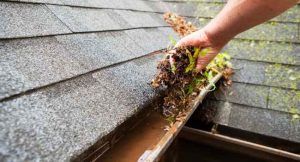
- A roof leak with water actively entering.
- A broken door or window lock that leaves the home open.

For gas, smoke, or carbon monoxide, the resident leaves first and calls 911 or the gas utility, and the landlord’s call comes third. The CPSC advises getting outside to fresh air right away if you suspect carbon monoxide poisoning.
Urgent but Not an Emergency
Some urgent repairs can wait until the next business day. A dead refrigerator, a single dead outlet, or a clogged toilet when a second bathroom exists all qualify, and no hot water belongs here with the earliest possible visit. Schedule these quickly, and save overnight rates for true emergencies.
Routine Repairs
Dripping faucets, sticky doors, a slow drain, and cosmetic touch-ups go on the normal work order list. Handle them within days through your regular process, and see our post on how to encourage tenants to report repairs promptly so small items arrive early.
Triage Examples for Accidental Landlords
Here is how the sorting works in practice. New to owning a rental? Our guide for accidental landlords covers the responsibilities that come with the keys.
A resident reports a rotten-egg smell in a Catonsville townhome. That’s an emergency. Skip the questions and tell them to leave and call 911 or the gas utility.
The refrigerator quits on a Sunday at 9pm. Urgent, not an emergency. Ask the resident to keep the door closed and book a technician Monday morning.
An upstairs toilet overflows into the ceiling below. Emergency, because water is spreading. The resident shuts the toilet supply valve or the main shutoff, and you dispatch a plumber.
The furnace dies in a Dundalk rowhome when the forecast low is 20 degrees. Emergency, since frozen pipes can follow within hours.

One more point for older homes. In a pre-1978 rowhome, a wet ceiling can also mean flaking paint, so ask your vendor about lead-safe work practices before any repair that disturbs old paint. Maryland’s lead rules for rental owners apply to these homes.
A Response Protocol for After-Hours Maintenance
Follow the same order every time:
- Get people safe. For gas, smoke, or carbon monoxide, the resident leaves and calls 911.
- Stop the source. Water goes off at the shutoff valve and electrical problems get the breaker, so show residents where both are at move-in.
- Call a vendor you have already vetted. Settle on one plumber, one HVAC company, and one electrician before you need them.
- Authorize a spending limit in advance. The vendor can then stop a leak without waiting on a callback.
- Confirm arrival with the resident. Give them a window, then check that someone showed up.
- Document everything. Capture photos, timestamps, the vendor’s findings, and the invoice.
- Follow up the next business day. Emergency work often stops the damage without fixing the cause, so schedule the permanent repair and tell your insurer if a claim may apply.
A move-in inspection record gives you a baseline for the home’s condition before any damage question starts. Maryland law also gives residents a way to seek repairs of serious defects, as Real Property § 8-211 describes, so documenting your response times protects you.
Communication Tips for Landlords and Residents
Most after-hours conflict comes from silence, not from the repair itself. These habits keep everyone informed:
- Give residents two channels. Use one phone number for true emergencies and the AppFolio portal for routine requests, which residents can use at any hour.
- Define “emergency” in writing. Put the list in the welcome packet so residents know when to call at 2am.
- Acknowledge quickly. A reply within minutes, even if the fix takes hours, tells the resident someone is handling it.
- Keep messages factual. State what you know, what you’ve dispatched, and when the vendor should arrive.
Out-of-state owners benefit from agreeing in advance on who approves spending and up to what amount. Our tips for long-distance landlords cover how to stay connected from afar.
Conclusion
Emergency maintenance runs most smoothly when someone owns the decision. A pre-vetted vendor finds the problem faster, a reachable owner stops a small leak early, and a resident with clear instructions reports the smell right away.
Astoria Charm built its maintenance process for owners who would rather not field those calls themselves, and we know Baltimore’s older housing stock well. Book a Property Management Consult for a free, no-obligation property management analysis and a second opinion on how your rental would handle a bad night.
Book Property Management Consult
Frequently Asked Questions
Do I Have to Fix Urgent Repairs Right Away?
Maryland’s repair statute covers serious and dangerous defects, including lack of heat, light, electricity, or running water. If a landlord does not repair one after notice, residents may be able to pay rent into a court escrow account. What counts and how fast to act depend on the facts, so keep records of every notice and response and speak with a Maryland landlord-tenant attorney, since this is general information.
Who Pays When a Resident Causes the Emergency?
It depends on the lease and on what happened. A pipe that bursts from age is an owner expense, while an overflow caused by something a resident flushed may be a chargeback. Most owners pay the vendor first so the damage stops, then sort out responsibility using photos, the move-in inspection, and the lease.
What Should a Resident Do When a Carbon Monoxide Alarm Sounds?
Everyone should get outside to fresh air and call 911 or the fire department from outside. Residents should stay out while responders check the home rather than re-entering to look for the cause or silence the alarm. Once the home is cleared, the landlord should arrange an inspection of fuel-burning appliances before anyone returns.
How Much Should I Let a Vendor Spend Without Calling Me?
Pick a number you could live with at 3am, and put it in writing. Many owners tie it to their insurance deductible and repair reserve, with a lower limit for a modest rowhome and a higher one for a multi-family building. If you hire a manager, ask what their approval threshold is and how they report spending, which should appear in your monthly owner statement.
Should I Handle After-Hours Maintenance Myself or Hire a Manager?
It comes down to how reachable you are, since out-of-state owners and owners with day jobs often cannot answer a 2am call or vet a plumber from another city. Astoria Charm operates a 24/7 maintenance response team with local vendors, and our Happiness Guarantee lets you cancel the management agreement at any time without penalty. Ask any manager to explain their after-hours process step by step before you sign.
Contact Us Today!