Key Takeaways
- The Fair Housing Act requires landlords to accommodate service animals and emotional support animals without pet fees or breed restrictions, except in very limited property exemptions.
- The Americans with Disabilities Act provides a narrow definition of service animals and limits landlords to asking only two specific questions when a disability is not obvious.
- Service animals, emotional support animals, and therapy animals have different legal protections, with only the first two covered under the Fair Housing Act.
- Landlords may request limited documentation under certain circumstances, must keep records confidential, and should follow consistent procedures when handling accommodation requests.
Some individuals with disabilities require service animals for support. As a result, federal policies ensure that such these individuals have fair and equal access to housing. In this article, we at Astoria Charm will examine what landlords need to know when renting to tenants with service animals. Understanding these standards properly will help to prevent liability and build a professional, ethical rental environment.
Legal Framework Governing Service Animals in Housing
The rights of tenants with disabilities who rely on service animals are regulated by two major federal laws, namely the Fair Housing Act (FHA) and the Americans with Disabilities Act (ADA). Although each law plays a different role, both determine how landlords should approach service animals from the application process to throughout the tenancy.
The Fair Housing Act
According to the Fair Housing Act, landlords are required to provide reasonable accommodations for tenants with disabilities.
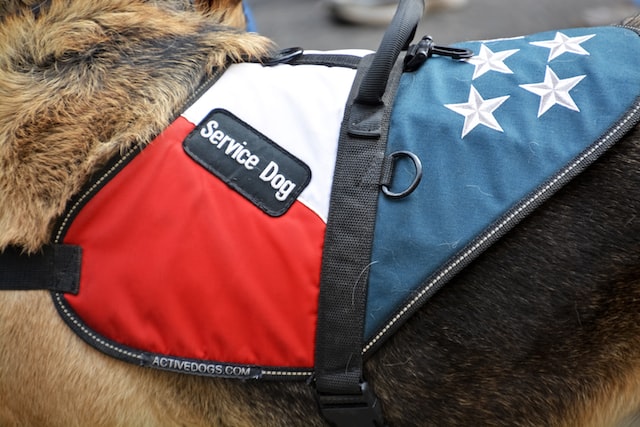
Service animals and Emotional Support Animals are classified as assistance animals and deserve to be accommodated. For that reason:
- Landlords must allow service animals even when the properties have a “no pet” policy.
- Landlords should not charge pet fees, pet rent, or pet deposits for service animals or Emotional Support Animals.
- Only under specific circumstances should landlords request reliable documentation.
- Landlords cannot impose restrictions based on size, breed, or weight.
The Fair Housing Act applies to almost every rental property, except for a few rare exceptions, such as a building with four or fewer units, and the landlord occupies one.
The Americans with Disabilities Act
The Americans with Disabilities Act defines a service animal as a dog that is trained to perform specific tasks for individuals who have disabilities. This act applies mainly to public accommodations rather than private housing.
However, landlords who manage public-facing areas or rental offices must comply with the Americans with Disability Act guidelines. According to this act landlords are permitted to ask only two questions if a disability is not obvious:
- Is the service animal required because of a disability?
- What work or task is the service animal trained to perform?
Landlords are not permitted to request documentation or require the tenant to demonstrate the service animal’s skills.

The definition of service animal provides a better understanding of how a service animal differs from an emotional support animal.
Types of Assistance Animals
Landlords need to understand each of the following categories of animals protected under the law before granting or denying the tenant’s accommodation request:
Service Animals
These are animals that are trained to perform specific tasks for individuals who have disabilities. Examples of such tasks may include:
- Providing physical support for those with mobility issues.
- Guiding individuals who are visually impaired.
- Detecting changes in blood sugar levels.
- Alerting individuals of impending seizures.
- Interrupting panic attacks.
Due to the extensive training these animals receive, they are legally recognized as necessary medical aids rather than pets.
Emotional Support Animals (ESA)
These animals don’t require any special form of training. Their duty is to provide psychological or emotional support to people who have been diagnosed with mental health conditions.
Emotional support animals are treated under the Fair Housing Act similarly to service animals in terms of housing protections. However, they are not covered under the Americans with Disabilities Act.
Therapy Animals
Therapy animals are animals that visit care facilities, hospitals, or schools to provide comfort. However, they are not protected under the Fair Housing Act unless they qualify as an emotional support animal.

When renting out homes, appropriate documentation is required from tenants who claimed therapy animals as an accommodation.
Documentations that Landlords Can and Cannot Request
When requesting documentation from potential tenants who state that they have disability related needs for service animals, landlords must carefully follow federal guidelines. Documentations can only be requested if:
- The need for a service animal is not apparent.
- The tenant’s disability is not obvious.
Where documentations are provided, it must come from a licensed healthcare provider. Generic letters, registries, or online certifications purchased without due consultations with licensed healthcare providers are not accepted.
Landlords are not, however, permitted to request proof of training for ESAs, details of the diagnosis, medical records, or certifying paperwork for service animals. Examples of acceptable documents include an official letter from a healthcare provider stating:
- That the tenant has a disability.
- That the animal supports the individual or relieves symptoms.
- The disability limits one or more major life functions.
Best Practices When Renting to Tenants with Service Animals
Here are some steps landlords should take when renting to tenants with service animals:
- It’s essential to be transparent and professional when renting to tenants who own service animals.
- All accommodation requests, approvals, rejections, and correspondence should be properly filed and documented.
- Landlords must not ask tenants about their personal challenges, diagnoses, or medical conditions during informal conversations.
- Tenants should be informed in writing about waste disposal rules, noise expectations, exterior maintenance requirements, and common area courtesy in the lease agreement.
- Ensure a uniform application procedure for all accommodation applicants.
Bottom Line
A detailed understanding of both federal and state laws, as well as the importance of fairness and clarity, is necessary when renting to tenants with service animals. Landlords who understand these laws, follow proper documentation procedures, and maintain open communication will sustain professional rental environments. If you need help managing your rental properties, work with our team of property managers today!