
Key Takeaways
-
Understanding the difference between normal wear and tear and resident-caused damage is essential for fair security deposit handling and maintaining positive landlord-resident relationships.
-
Proper documentation, including move-in and move-out inspections with photos and checklists, helps landlords make informed and legally sound decisions about property conditions.
-
Working with a professional property management company can simplify the process, ensuring consistent evaluations, reducing disputes, and protecting your investment.
Owning a rental property comes with many responsibilities, and one of the most common areas of confusion is determining what counts as normal wear and tear versus what qualifies as resident-caused damage.
Understanding the difference is crucial when handling security deposits, preparing a property for a new resident, and maintaining a good landlord-resident relationship. We’ve written this article at Astoria Charm to help landlords understand the key distinctions to protect their investment.
What is Normal Wear and Tear?
Normal wear and tear refers to the natural and expected deterioration in a property over time through ordinary use. Even the most responsible resident cannot prevent all signs of aging in a home. Materials wear out, finishes fade, and appliances lose efficiency simply because they are being used.
For example, if a resident lives in a unit for three years, it’s expected that the carpet may show signs of matting in high-traffic areas or that paint on the walls may look duller than it did on move-in day. These are normal results of everyday living and should not be deducted from a security deposit.
This is different from actual damage, which happens because of neglect, abuse, or accidents that go beyond regular use. Distinguishing between the two is the key to making fair and legal decisions when a resident moves out.
Why Understanding the Difference Matters
The distinction between wear and tear versus damage has legal, financial, and ethical implications. First, most states’ landlord-resident laws prohibit property owners from using the security deposit to cover normal wear and tear. Using the deposit inappropriately can result in legal trouble or even the loss of your right to retain any portion of it.

Second, clear guidelines protect your relationship with your residents. Disputes over security deposit deductions are among the most common complaints filed by residents. If you are seen as unfair, this can hurt your reputation and increase turnover.
Finally, identifying normal wear and tear helps with long-term maintenance planning. If you’re able to anticipate when items like carpet or paint will naturally need replacing, you can better budget for capital improvements.
Common Examples of Normal Wear and Tear
Understanding what qualifies as normal wear and tear can help you manage expectations with your residents and make fair judgments when it’s time for move-out inspections. Here are examples of normal wear and tear:
- Faded or slightly scuffed paint from furniture brushing against walls.
- Loose door knobs or handles from regular use.
- Worn carpet in high-traffic areas.
- Faded curtains or blinds from sunlight exposure.
- Hard water stains in sinks or tubs.
- Minor nail holes from hanging pictures or artwork.
- Appliances show signs of normal usage over time.
These signs don’t suggest negligence or misuse. Instead, they reflect what naturally happens in a home where people live, walk, cook, clean, and move things around.
Common Examples of Resident-Caused Damage
On the other hand, some conditions indicate the resident went beyond normal use and caused damage that must be repaired. Examples of resident-caused damage include:
- Stained or torn carpet from pets or spills.
- Unauthorized paint colors that require extra coats to cover.
- Burn marks on countertops.
- Mold buildup due to neglecting ventilation or cleaning.
- Missing fixtures or hardware.
- Broken windows or doors.
- Large holes in walls or doors, requiring patching.
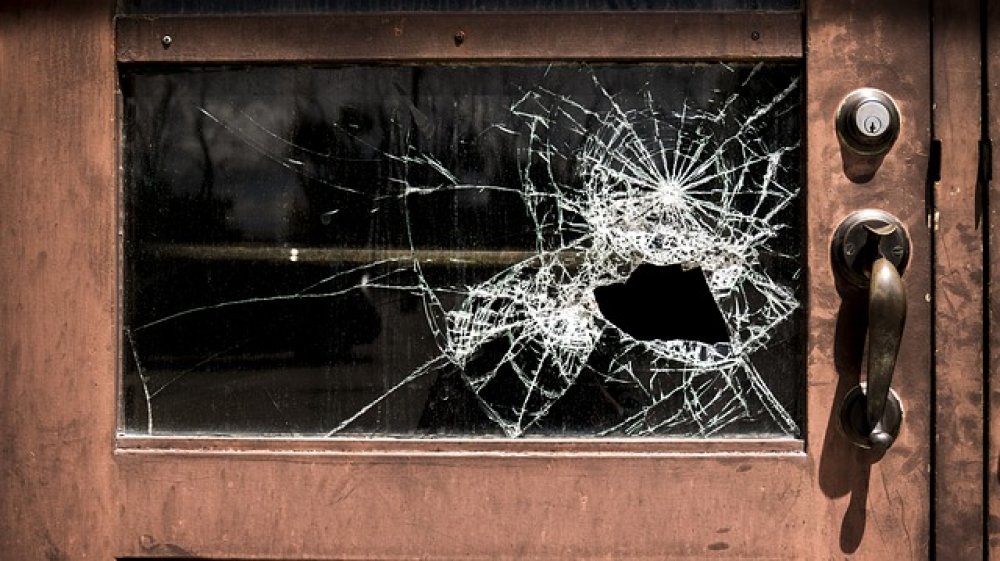
These are unsightly and often require more time, money, and labor to fix. Property owners are typically within their rights to deduct the cost of these repairs from the security deposit, provided the damages are documented and itemized clearly.
How to Document and Prepare
Before a new resident moves in, conduct a thorough inspection and document the condition of the property. Take dated photographs and write a checklist that includes walls, floors, appliances, fixtures, and every major component. When the resident moves out, perform a similar inspection and compare the two.
This documentation will help you make informed decisions about what to charge and serve as vital evidence should a dispute arise. Here are some additional tips:
- Encourage residents to report maintenance issues early, before they become major problems.
- Conduct annual inspections to track wear and address issues proactively.
- Use a consistent checklist for every unit to make fair comparisons across properties.
Work With a Professional Property Management Company
Interpreting normal wear and tear versus damage can be tricky, especially when emotions run high at move-out time. If you’re managing multiple properties or are a long-distance landlord, it can be even harder to inspect every unit thoroughly and make consistent decisions.

This is where a professional property management company can help. Property managers have experience handling move-in and move-out processes, documenting property conditions, and applying state laws correctly. They can inspect units, conduct fair evaluations, and handle security deposit deductions properly.
By working with a property management company, you reduce the risk of legal disputes, improve your documentation standards, and protect your investment without being directly involved in every inspection or repair.
Bottom Line
Your property will naturally show signs of aging over time, and it’s unrealistic to expect it to look brand new after every lease. However, residents should still care for the space and be responsible for any preventable damage.
To keep your property in top shape, follow these tips and consider hiring a professional property management company. Astoria Charm takes the hassle out of handling wear and tear, ensuring your investment stays well-maintained while saving you time and stress. Contact us today to learn how we can help.